
Crops and Products
Crop Values and commodities
At New House Farm, we’re not just growing crops; we’re cultivating a new vision for a sustainable, fair, and local food system.
Most cereals including much organic produce is currently sold as commodities on the world market and prices fluctuate with regional affairs and influences such as the weather particularly with climate change and the destabilizing effect of war such as in Ukraine. All farmers compete on the world stage subject to the whims of government, their trade agreements and various import export tariffs.
Many wholefood shops and artisan food suppliers have been developing local food supplies and Hodmedods have been particularly proactive in spearheading the supply of mainly organic cereals and pulses for human consumption paying farmers a more reasonable price and supplying through a short supply chain to consumers.
This project assumes we grow small quantities of specialist artisan crops, store and then package them for sale in smallish quantities with a particular focus on our own farm shop.
Some of the crops we are growing
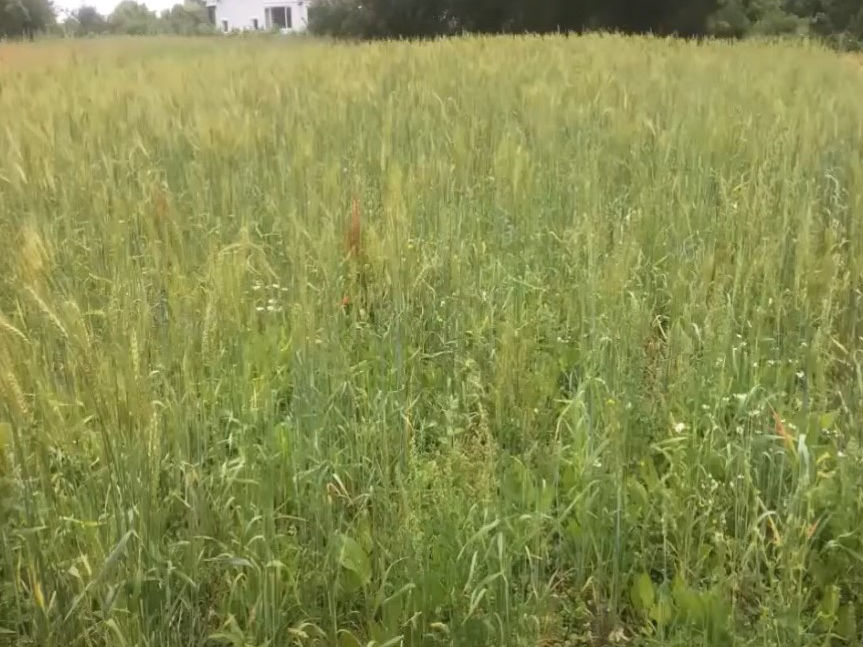
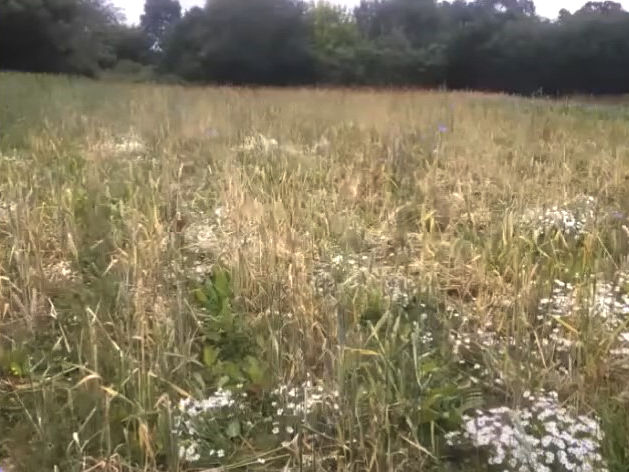
Heritage, population and speciality milling wheats both winter and spring, Oats, Red Fox Carling peas, various beans, linseeds, under crops, cover crops and crops for making compost.
We are planning an agroforestry area for Apples, Pears, Plums, Cherries, Quince, soft fruit, Cobnuts, Filberts, Walnuts, Almonds and Chestnuts.
If you have suitable skills and enthusiasm to help with this project please get in touch with me, William Tooby on [email protected]
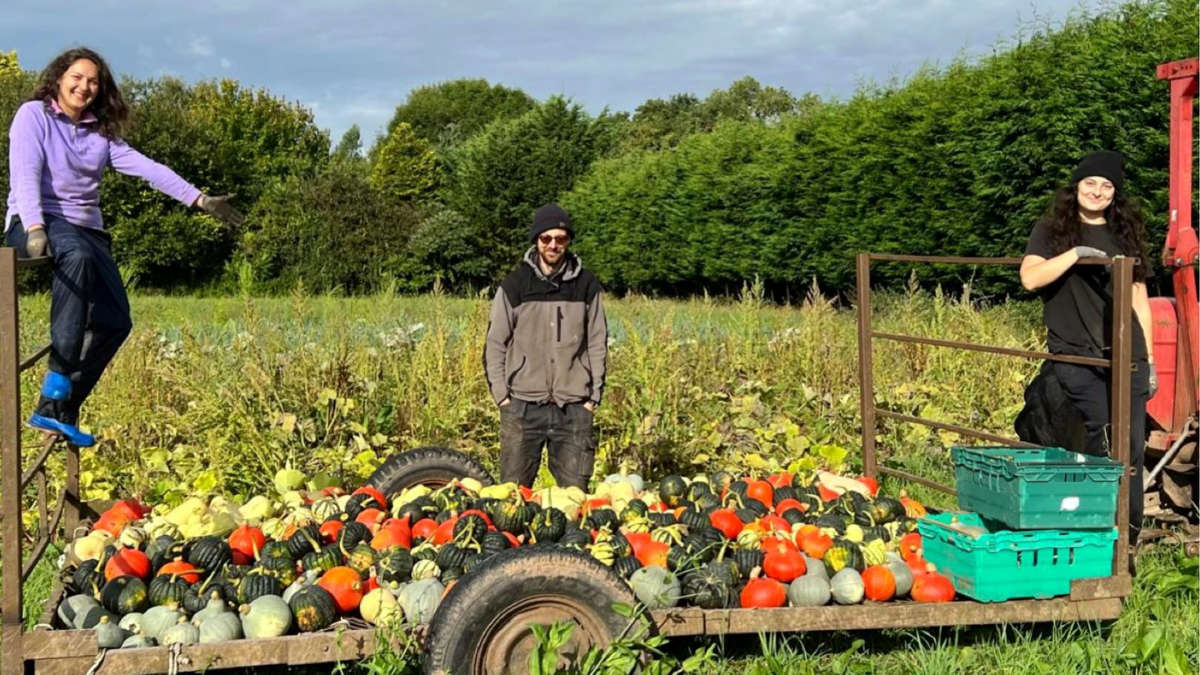
A Vision for the Future
Our food system is clearly not fit for purpose. George Young (@FarmingGeorge) puts it well in his Vision for a Future Farm:
A micro-supply chain farm-to-fork model for food and fibre production, where vibrant, innovative new-entrant producers are fairly valued, and the end product has the highest welfare, best ecological output, and lowest environmental impact. Farming needs innovation. Ground up, fresh thinking. The type of innovation that comes from naivety, ignorance and enthusiasm.
What we really need are new entrants to farming, with new ways of thinking and new ideas. But as a country primarily built upon a principle of hereditary farming, how can this be enabled? The food system also needs thorough reinvention. The current norm are long supply chain models where the primary producer (farmer) is a valueless part of the chain. And where that chain dilutes provenance and nutritional value, eliminates seasonality and decimates food culture. Food as fuel only – not as the lifeblood of civilisation. It saddens me to hear of families eating individual meals (often heavily processed), propped on their lap in front of the television where natural signals to do with fullness can be easily ignored, and where personal taste whims are not challenged, and even potentially encouraged.
To fix the food and farming system, I propose a solution based on synergies and collaboration, with micro-supply chains, communal working, and delicious nutritional seasonal fare as the end product. But most importantly where the few producers in the chain are all valued and all able to make a sensible, but never extortionate, margin.
Our Crops
We grow a diverse range of crops, including:
- Heritage, population and speciality milling wheats
(both winter and spring varieties) - Oats
- Red Fox Carlin peas
- Various beans
- Linseeds
- Under crops and cover crops
- Crops for making compost
Reimagining the Food Supply Chain
We recognise the challenges posed by the current global food system.
At New House Farm, we’re working to create a different model. We aim to:
- Develop a resilient micro-supply chain of nutritious, healthy, plant-based foods for our local and regional community.
- Focus on milling, home processing, and packaging to add value to our crops.
- Prioritize direct sales and short supply chains to ensure fair value for our products.
At a Glance
We share Farming George’s vision for a better food system:
“A micro-supply chain farm-to-fork model for food and fibre production, where vibrant, innovative new-entrant producers are fairly valued, and the end product has the highest welfare, best ecological output, and lowest environmental impact.”
To achieve this, we’re focusing on:
- Producing small quantities of specialist artisan crops
- Storing and packaging our produce for sale in our own farm shop
- Collaborating with local food suppliers and artisan food producers
- Educating our community about the true value of sustainably produced food
Agroforestry
We’re excited about our plans to develop an agroforestry area that will include:
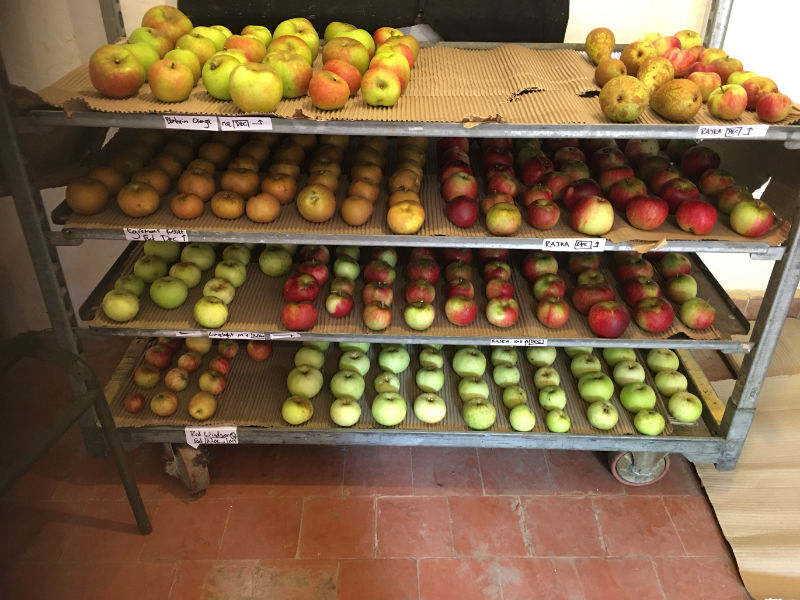
- Apples, Pears, Plums, Cherries, and Quince
- Soft fruits
- Cobnuts and Filberts
- Walnuts, Almonds, and Chestnuts
This diversification will allow us to offer an even wider range of locally produced, sustainable food options to our community.
By reimagining how we value and distribute our crops, we’re not just growing food – we’re nurturing a more sustainable and equitable food system for our local community and beyond.