
Our Farming Approach
Earth, the soil on which we stand
Soil is by far the most biologically diverse part of our earth. A teaspoon of healthy soil can contain more organisms than there are people on the planet. It’s the basis of all life on we which we depend, yet much is degraded and even facing extinction. Soil degradation was calculated in 2010 to cost £1.2 billion every year. Almost 4 million hectares of soil are at risk of compaction in England and Wales, affecting soil fertility and our water resources, and increasing the risk of flooding.
Much of the land at New House Farm, where the Fold sits, was first registered as organic in 1979 but was withdrawn in the late eighties due to the financial pressures of running the nursery. In 2007 it was re-registered and has now been organic since then. However, whilst organic matter levels and fertility are reasonable, soil biology and particular fungal activity is low leading to cobbly soils that can be difficult to manage and perennial weed challenges.
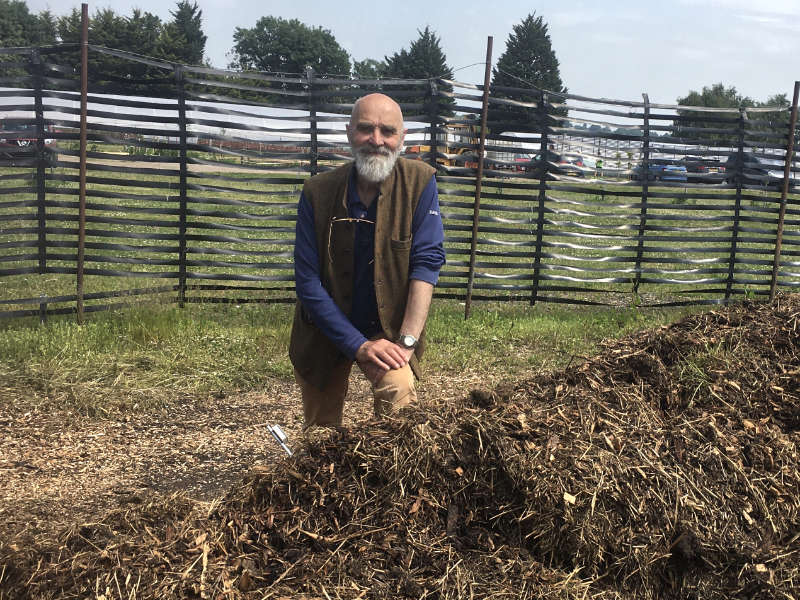
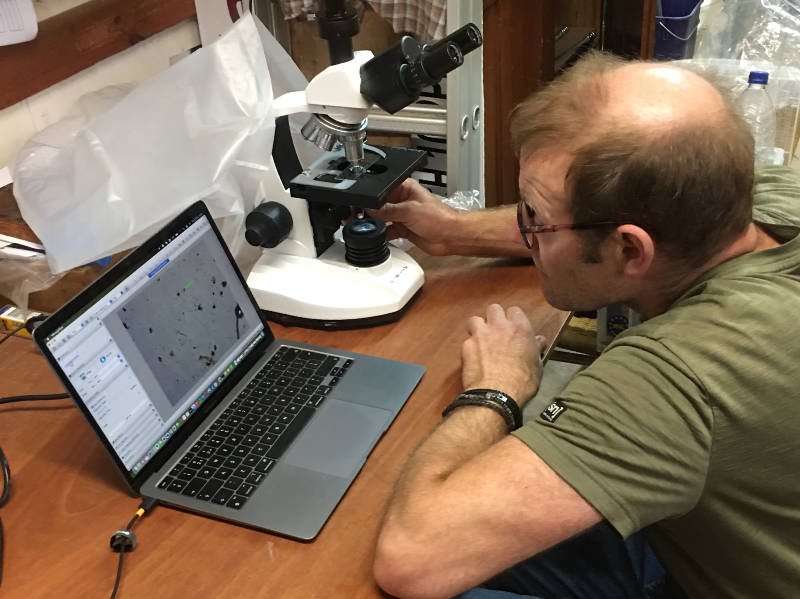
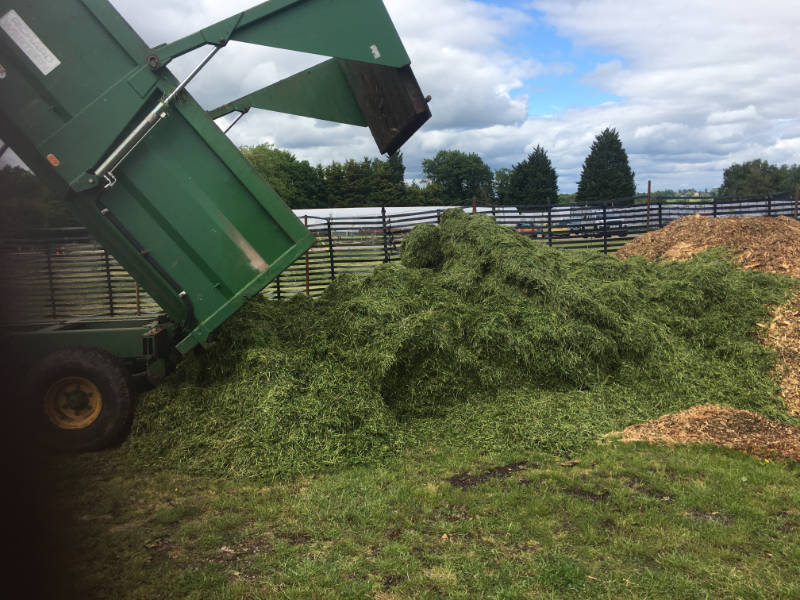
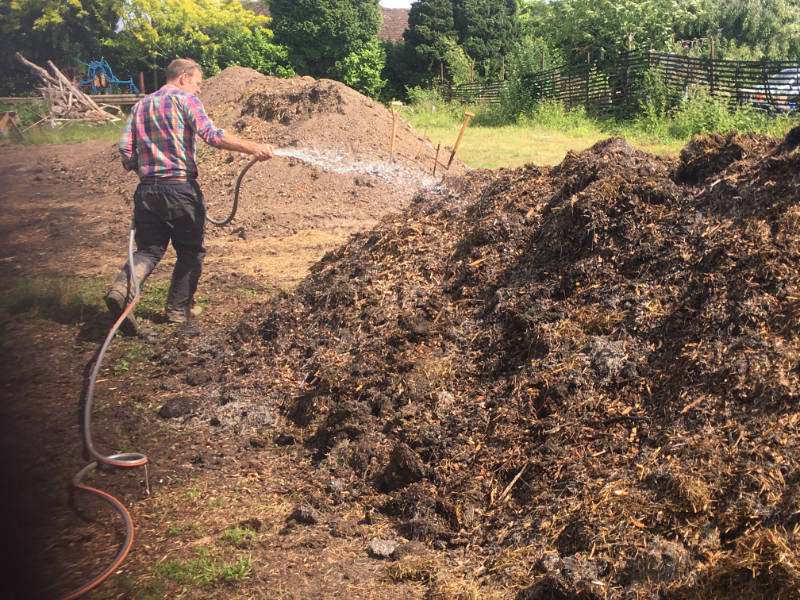
In the light of the various crisis facing humanity and in particular the impending soil extinction, we are determined to make a difference and are working with ecological agronomist Tim Ashley to address the issues. We are also working with the Fold Community Farm making larger volumes of compost to enable the practice of minimum tillage without importation of large quantities of municipal compost. We are currently making ‘mother composts’ to Tim’s recipes from which we make compost extracts and teas to apply to seeds and crops and also making bulk compost with various ingredients to apply to the land. We will be monitoring their success.
Organic Farming
We’re proud to be registered organic with the Soil Association, reflecting our commitment to sustainable and ethical farming practices.
At a Glance
Our Priorities
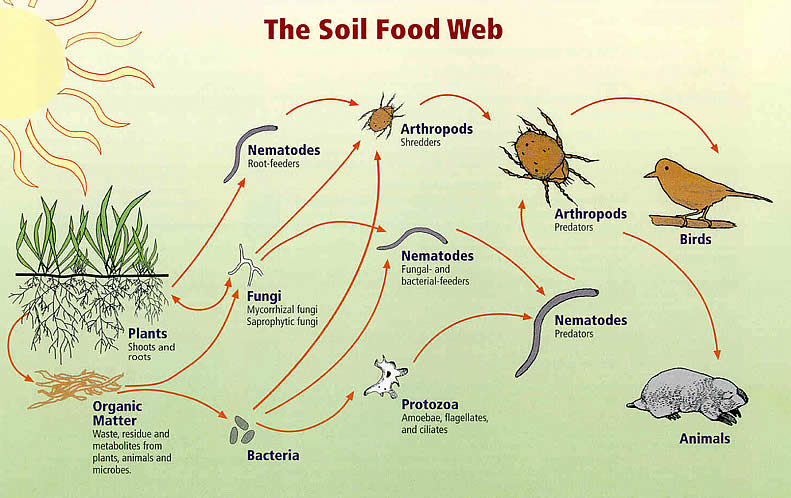
- To build a complete soil food web that enables a fully functioning ecosystem
- To grow nutrient-dense, nutritious food for our community & children’s children
- To develop protocols for making suitable enriching composts, extracts, and teas
- To develop agroforestry systems
- To be an educational resource for other farmers and growers
- To harvest, store, and process grains, pulses, and nuts for retail sales
- To transition to net-zero utilizing electrical power and carbon offsetting
- To create rich and satisfying employment
Regenerative Agriculture
Regenerative Agriculture is at the heart of our farming philosophy. It focuses on:
- Topsoil regeneration
- Increasing biodiversity
- Improving the water cycle
- Enhancing ecosystem services
- Supporting biosequestration
- Increasing resilience to climate change
- Strengthening the health and vitality of farm soil
Stockfree Organic Farming
At New House Farm, we are moving towards 100% stockfree organic farming, an approach that aligns with our commitment to plant-based, sustainable agriculture.
Stockfree organic systems…
- Use no animal inputs in food production
- Require less land than livestock-dependent systems
- Have a lower environmental impact
- Use less energy
- Produce high-quality, locally available organically grown food
This commitment to stockfree organic farming is part of our broader effort to develop a resilient, low-impact agricultural system that prioritizes soil health, biodiversity, and sustainable food production.
We encourage anyone interested in learning more about stockfree organic farming to explore resources from organizations like the Vegan Organic Network (VON) and to consider how this approach might contribute to a more sustainable future for agriculture.
We recognise the importance of responsible water management in sustainable farming. Our practices aim to improve the water cycle and reduce the risk of soil erosion and compaction, which can affect water resources and increase flood risk.